*These statements have not been evaluated by the Food and Drug Administration. This product is not intended to diagnose, treat, cure, or prevent any disease.
Showing posts with label Essential Oil. Show all posts

Saturday, April 21, 2018

essential oils you won’t want to live without

With so many essential oils to choose from, we can’t pick favorites. But there are some oils we keep coming back to over and over again. Whether we want to get some rest and relaxation, or we want to liven up our living areas, these are the oils we can always rely on!
Learn about these top essential oils and how you can use them in your home!

1. How to use Peppermint essential oil
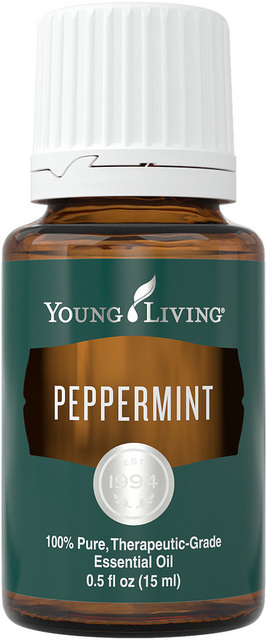
Peppermint essential oil benefits and uses
Peppermint essential oil is at the top of our essential EO list! We can’t resist Peppermint oil’s invigorating aroma or the wonderful cooling sensation it creates.
Fun facts:
  • Our Peppermint oil is created by steam distilling the leaves and flowering tops of peppermint plants.
  • One pound of peppermint goes into every 15-ml bottle of Peppermint essential oil.
  • Peppermint plants originated in Europe, but today, 75 percent of the world’s supply is grown in the United States.
How to use it:
  1. Use Peppermint topically for a cool, tingling sensation that’s refreshing after a tough workout or a long day.
  2. Diffuse it to make your space feel more stimulating and energizing.
  3. Inhale or apply Peppermint topically to your chest for a stimulating scent.
YL tip: Add Peppermint essential oil to your bath! We love the contrast of the hot water and the cooling sensation of the oil. Relax and take deep breaths of the soothing, aromatic steam.
Simple Peppermint diffuser blend:
Refresh and Unwind Blend

2. How to use Lavender essential oil

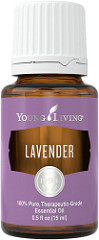
Bottle of Lavender Essential OilWe’re absolutely in love with Lavender! With a scent that is a beautiful blend of fresh, floral, clean, and calm, Lavender essential oil is wonderful for so many uses! From relaxing routines to soothed skin, this oil can do it all.
Fun facts:
  • Our Lavender essential oil is steam distilled from the flowering tops of the plant.
  • It takes 27 square feet of lavender plants to make one 15-ml bottle of oil.
  • The many qualities and uses of lavender were praised in ancient Greece.
Usage tips:
  1. Use Lavender topically to cleanse and soothe minor skin irritations.
  2. Use it topically to reduce the appearance of blemishes and support aging skin.
  3. Diffuse Lavender to help create an oasis of calm feelings or as part of your bedtime routine.
YL tip: Add a few drops of Lavender essential oil to lotions, shampoos, and skin care products. You’ll love the luxurious fragrance and the topical benefits!
Simple Lavender diffuser blend:
Create Your Zen Blend

3. How to use Lemon essential oil

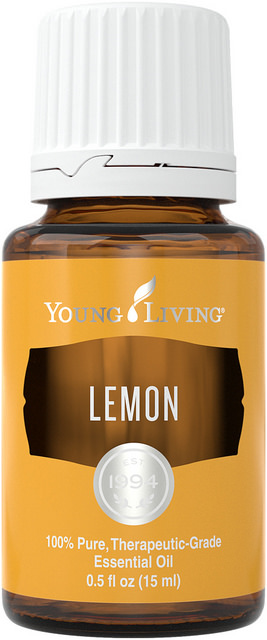
Lemon Essential OilLemon essential oil is like a bottle of sunshine! With a joyful citrus aroma, Lemon oil is sure to make any day a little brighter. It’s a favorite for eliminating odors and creating an uplifting atmosphere.
Fun facts:
  • We cold press lemon rinds to create our Lemon oil.
  • It takes 75 lemon rinds to make one 15-ml bottle of Lemon essential oil.
  • The lemon tree originates from of Asia and can reach heights of about 20 feet.
How to use it:
  1. Add a few drops to naturally derived floor, window, and surface cleaners.*
  2. Diffuse Lemon to help create a sunny, bright space.
  3. Add it to conditioner and DIY hair masques to give your hair a smoother, shinier look.
*Do not use Lemon essential oil on granite or stone, as it may etch the surface.
YL tip: Let the bright fragrance of Lemon essential oil lift you up during stressful times at work or school. Diffuse Lemon oil to help create focus and motivation so you can shine.
Simple Lemon diffuser blend:
Bright Day Blend

4. How to use Tea Tree essential oil

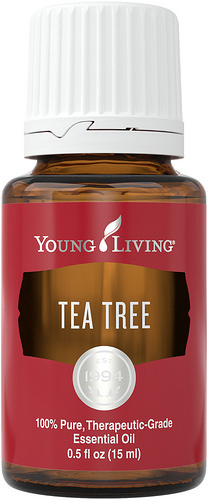
Tea Tree essential oilWe can’t leave Tea Tree essential oil off our list of favorites. Also known as Melaleuca or Melaleuca Alternifolia, this refreshing oil packs a punch!
Fun facts:
  • Our Tea Tree essential oil is steam distilled from the leaves of the Melaleuca alternifolia
  • The Melaleuca alternifolia tree is native to Australia.
  • Tea Tree oil has been loved for centuries for its abundant beauty benefits.
Usage tips:
  1. Use Tea Tree topically to reduce the appearance of blemishes and help maintain healthy-looking skin, hair, scalp, and nails.
  2. Diffuse it to eliminate musty odors and freshen living spaces.
  3. Add Tea Tree to homemade soaps to boost cleansing properties.
YL tip: Combine a few drops of Tea Tree essential oil with water in a small glass spray bottle and spray it on linens and towels to keep them smelling fresh. Goodbye, musty closet smell!
Simple Tea Tree diffuser blend:
Air Refresher Blend

5. How to use Frankincense essential oil
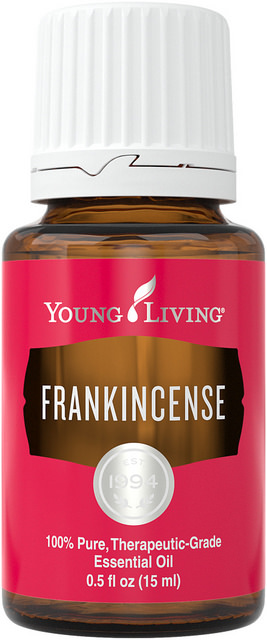
Young Living Frankincense Essential Oil
Frankincense essential oil has a grounding and earthy aroma that we love for moments of deep contemplation. The use of frankincense isn’t new—this oil has been popular since 1500 BCE!
Fun facts:
  • Our Frankincense essential oil is distilled from the resin of Boswellia carterii
  • Boswellia carterii trees are native to northern Africa, near the Arabian Peninsula.
  • Frankincense oil is considered a holy oil in the Middle East and is used in religious ceremonies.
Usage tips:
  1. Use Frankincense topically to promote the appearance of healthy-looking skin.
  2. Use it topically to reduce the appearance of uneven skin tone.
  3. Diffuse Frankincense to promote feelings of relaxation, tranquility, and focus.
YL tip: Take a cue from this oil’s ancient history: Diffuse Frankincense to create a tranquil, grounding space that’s perfect for yoga, meditation, or quiet contemplation.
Simple Frankincense diffuser blend:
Meditation Blend

6. How to use Copaiba essential oil

Copaiba Essential Oil benefits and uses- Young LivingWe can’t forget Copaiba essential oil! With an aroma that’s warm, woodsy, sweet, and incredibly inviting, Copaiba oil is truly an essential EO.
Fun fact:
  • Our Copaiba essential oil is steam distilled from resin tapped from the Copaifera reticulata
  • The Copaifera reticulata tree is native to the Amazon region of Brazil.
  • The tree grows 50–100 feet high and produces tiny white flowers and small nut-like fruit.
Usage tips:
  1. Use Copaiba topically to reduce the appearance of blemishes and promote the appearance of a youthful, radiant glow.
  2. Diffuse it to fill your home with a warm, inviting aroma.
  3. Massage Copaiba onto fatigued areas after physical activity.
YL tip: Reward yourself after a hard workout: Dilute Copaiba with our V-6™ Vegetable Oil Complex and message it onto your tired muscles. Let the cozy fragrance help you relax.
Simple Copaiba diffuser blend:
Tropical Paradise Blend

7. How to use Thieves essential oil blend
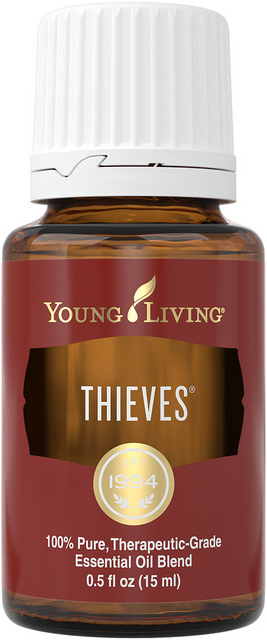
Thieves Essential OilThis is a blend—unlike the other oils on our list—but there’s a reason Thieves® essential oil blend is one of our most popular products! The warm, spicy fragrance is absolutely irresistible.
Fun fact:
  • Thieves blend combines Clove, Cinnamon Bark, Lemon, Eucalyptus Radiata, and Rosemary essential oils.
  • Legend says that during the 15th century, French thieves would douse themselves in a special aromatic blend before sneaking into graveyards to rob from the dead.
  • Thieves essential oil blend was created based on this legendary concoction.
Usage tips:
  1. Use Thieves topically to cleanse your skin.
  2. Diffuse it to banish bad odors and create a cozy, peaceful living environment.
  3. Add Thieves to cleaning products to boost cleaning power and fill your home with a fresh fragrance.
YL tip: Refresh musty carpets by adding 5 drops of Thieves blend to a cup of baking soda. Mix it well and let it sit overnight. In the morning, sprinkle this refreshing mixture over carpets and vacuum thoroughly. Your carpets—and your home—will be filled with the warm aroma!
Simple Thieves diffuser blend:
Cleaning Day Blend


source https://www.youngliving.com/

Friday, April 13, 2018

Fennel is Versatile


Fennel has a sweet, spicy aroma that can encourage grounded feelings. Its rich aroma is reminiscent of anise and has a licorice-like scent. Fennel is versatile and easy to use! Don’t miss your opportunity to get it free this month!

Originally from the shores of the Mediterranean, the fennel herb was used historically to inspire feelings of grounding and empowerment. Today, it grows all over the world and is easily recognized for its iconic, spicy-sweet aroma, reminiscent of black licorice.

Fennel is a tall, beautiful perennial herb with feather-like leaves that look a lot like dill. Dig below the stalk and you’ll find a large white bulb at the root. Although it looks like garlic or something from the onion tribe, fennel is actually related more closely to carrots. You can see the family resemblance in their crispy texture and sweetness. The bulb, stalk, and leaves are all edible, but the most potent flavor comes from the seeds.

Young Living grinds the seeds into a powder and steam distills that powder. The result? Rich, fragrant Fennel essential oil and Fennel Vitality™ essential oil. Fennel is found in many Young Living products, including Dragon Time™ Massage Oil and Prenolone Plus™ Body Cream.

  • Diffuse Fennel at work or while studying to create a grounded environment.
  • Reduce the appearance of pores by applying a neutral facial toner and 1–2 drops of Fennel on freshly washed skin.
  • Use Fennel’s cleansing benefits by adding a few drops to a gentle facial cleanser.
  • Put a few drops in your palm and inhale directly to promote feelings of balance, calm, and grounding
  • Fennel Vitality is specifically labeled for internal use and is a key ingredient in many Young Living supplements for its supportive properties. You can find it in Digest & Cleanse™, Essentialzymes-4™, Detoxzyme™, and JuvaFlex®.
  • Use Fennel Vitality in marinades, vinaigrettes, and even desserts for an added depth of flavor.
  • Add 1–2 drops to a cup of tea or warm glass of water after meals for digestive support.*
  • Take Fennel Vitality with your daily dietary supplement to support a normal, healthy outlook during PMS.*


* These statements have not been evaluated by the Food and Drug Administration. This product is not intended to diagnose, treat, cure, or prevent any disease.

Thursday, April 12, 2018

Tea Tree is a Standout


For centuries, Tea Tree essential oil has been used and beloved for its beauty benefits. Today, it’s one of the beauty industry’s favorite essential oils, and for a good reason. Tea Tree oil, also known as Melaleuca alternifolia or Melaleuca oil, is one of the most widely used and extensively researched essential oils!  

Did you know that the tea tree plant is in the myrtle family, whose origins can be traced back to Australia? This is a massive family that currently contains 236 species! Out of all those varieties, Tea Tree is a standout because of its cleansing and beautifying benefits. 

When applied topically, Tea Tree can help maintain healthy-looking hair and scalp and reduce the appearance of blemishes. It can also be applied to feet and toenails as needed to help maintain their appearance.

Beyond its beauty benefits, Tea Tree oil also possesses powerful cleansing properties, making it a popular addition to homemade household cleaners, air fresheners, and linen sprays.

Tea Tree benefits:

• Helps maintain healthy-looking hair and scalp
• Reduces the appearance of blemishes
• Is skin cleansing and can help maintain healthy-looking skin
• Helps eliminate musky odors
• Helps maintain the appearance of healthy skin and nails when applied to feet and toenails
• May work as a naturally derived deodorant 

How to use Tea Tree essential oil:

• Add a few drops to water or witch hazel in a small spritz bottle to refresh linens and towels.
• Add a few drops to fingertips for an invigorating scalp massage.
• Diffuse to combat stale or offensive odors in the home.
• Add to coconut or carrier oils for a refreshing foot rub.
• Combine with citrus scents such as Lemon or Lemongrass to create a natural deodorant.
• Use Tea Tree’s cleansing properties and fresh scent for homemade soaps and moisturizers.
• Apply to skin as part of your nighttime routine.
• Comb through hair for added shine and freshness.

Tuesday, April 10, 2018

Essential Oil to Reverse Depression


In the last 3 months, I've been battling against depression.  A lot of things goes through my mind and the struggle to wake up daily with the same feeling of anguish. 

After seeking for professional help and using certain essential oils, i feel a lot better now.

For those who are also going through this right now, please do seek professional help and do know that there’s a lot of people who loves you and are ready to listen to you. I also hope that the essential oils mentioned on the article below can somehow help and make you feel better.

Here are my top for essential oils for depression:

1. Bergamot
Bergamot oil is a great antidepressant because it’s very stimulating. Bergamot can create a feeling of joy, freshness and energy by improving the circulation of your blood. It’s also shown the ability to work as a natural remedy for anxiety, as a 2011 study in Thailand found that bergamot lowered the anxiety response in rats. (1)
Another 2011 study hypothesizes that applying a blended essential oil that includes bergamot to participants helps treat depression. The blended essential oil mixed bergamot with lavender essential oil, and participants were analyzed based on their blood pressure, pulse rates, breathing rates and skin temperature. In addition, subjects had to rate their emotional condition in terms of relaxation, vigor, calmness, attentiveness, mood and alertness in order to assess behavioral changes.
Compared with the placebo, blended essential oil caused significant decreases of pulse rate and blood pressure. At the emotional level, subjects in the blended essential oil group rated themselves as “more calm” and “more relaxed” than subjects in the control group. The investigation demonstrates the relaxing effect of a mixture of lavender and bergamot oils, and it provides evidence for its use in medicine for treating depression or anxiety in humans. (2)
You can use bergamot oil by rubbing two to three drops into your hands and cupping your mouth and nose. Breathe in the oil slowly. Try rubbing the oil on your feet and stomach, too.
2. Lavender
Lavender oil benefits mood and has long been used to help battle depression. A study published by the International Journal of Psychiatry in Clinical Practice reported that 80-milligram capsules of lavender essential oil can help alleviate anxiety and depression. The study also showed that there were no adverse side effects from using lavender oil to treat anxiety and depression. This is great news since we know that synthetic medications and psychotropic drugs often have many negative side effects. (3)
A 2012 study published in Complementary Therapies in Clinical Practice evaluatd 28 women at high risk for postpartum depression and found that by diffusing lavender in their home, they had a significant reduction of postnatal depression and reduced anxiety disorder after a four-week treatment plan of lavender aromatherapy. (4)
Yet another study showcasing that lavender aromatherapy improves mood was done on people suffering from post-traumatic stress disorder (PTSD), which can result in depression. Lavender had amazing results, showing signs of enhanced moods. The results revealed that the lavender oil, when used daily, helped decrease depression by 32.7 percent and dramatically decreased sleep disturbances, moodiness and overall health status in 47 people suffering from PTSD. (5)
To relieve stress and improve sleep, put a diffuser by your bed and diffuse oils while you sleep at night or in the family room while you’re reading or winding down in the evening. Also, it can be rubbed topically behind your ears for the same benefits.
3. Roman Chamomile
Chamomile is one the best medicinal herbs for fighting stress and promoting relaxation. This is why you see chamomile as a popular ingredient in candles and other aromatherapy products, whether in tea, tincture or essential oil form.
Chamomile benefits your emotions by providing soothing qualities to help with depression. According to research from Alternative Therapies in Health and Medicine and Pharmacognosy Review, inhaling chamomile vapors using chamomile oil is often recommended as a natural remedy for anxiety and general depression. (67)
4. Ylang Ylang
Ylang ylang may have a funny name, but it has amazing benefits for helping stave off depression and negative emotions associated with depression. Inhaling ylang ylang can have immediate, positive effects on your mood and act like a mild, remedy for depression. Research shows it can help release negative emotions such as anger, low self-esteem and even jealousy! (8)
Ylang ylang works because of its mild sedative effects, which can lower stress responses helping you relax. To enhance confidence, mood and self-love, try diffusing the oil in your home or massaging it into your skin.

To relieve stress while improving sleep, put a diffuser by your bed and diffuse oils while you sleep at night. You can also rub topically behind your ears, on the back of the neck, your tummy and bottoms of the feet.
The right oils can make a great massage oil, whether you have a full body massage or just use self-massage techniques. Below is a great recipe that you can try!
Lavender and Chamomile Massage Blend for Depression
INGREDIENTS:
  • 20–30 drops pure lavender essential oil
  • 20–30 drops pure chamomile essential oil
  • 2 ounces grapeseed oil
DIRECTIONS:
  1. Blend all ingredients well into a glass jar.
  2. Massage into your entire body, or take it to your masseuse and ask him or her to use it, 2–3 times per month.
  3. You can also use hand and neck massage oil daily or even massage into the bottoms of your feet at night before going to bed.
Read more ...

Monday, April 9, 2018

Coffee Essential Oil Should Be Your New Best Friend Forever


It stimulates hair growth, it firms skin, and it invigorates the senses! Who knew that Coffee essential oil could be so versatile? 

If you’re one of the millions of people who drink coffee in the world, than Coffee essential oil is for you. This scrumptious bottle of all things good proves that coffee is beyond great for more reason than one. Didn’t think there were more reasons to love coffee? Coffee EO will surprise you with its multitude of benefits and uses. Here are EG’s top three reasons why Coffee EO is about to become your new best friend.

Hair Growth
Many know that Rosemary is a go-to for hair care, but did you know Coffee was great for hair growth? Caffeine has the ability to stimulate hair cell growth and counteract the suppression of hair growth in both men and women. EG’s Coffee essential oil contains between 1.0- 1.5% caffeine. We recommend adding a drop or two of Coffee to a dollop of shampoo/ conditioner and leaving it in during your shower. Be sure to rinse well.

A Substitute for Your Morning Cup
Pregnancy, hypertension and other health issues can lead to a restriction from drinking coffee. No worries! Coffee essential oil is regarded as being generally safe to diffuse and use topically despite these scenarios, so you can continue to enjoy coffee no matter what arises! Just check with your doctor beforehand. And if you want to enjoy coffee but your bedtime is nearing, you could drink decaf, or you could savor the delicious aroma of Coffee in a personal inhaler.

Skin Tightening
Coffee is known for its astringent flavor, but also its ability to act as a skin tightening astringent. Drinking coffee and applying the essential oil is a great way to reduce the appearance of cellulite and fine lines. Our recommendation is to make an exfoliating coffee scrub by combining 1 oz ground coffee, 1 oz Rosehip carrier oil and 18 drops Coffee EO (6 drops if using on the face). Use a spoon to scoop out and scrub onto wet skin. Rinse well, and enjoy the results.

**Coffee essential oil is not recommended to be ingested without the consultation of your doctor and an aromatherapist. Do not get scrub wet in order to prevent contamination.
 
Let us know how you've used this exciting oil! 

GET COFFEE ESSENTIAL OIL NOW!

EDENS GARDEN http://rwrd.io/s6kom4k

Sunday, April 8, 2018

Essential oils and diabetes


People who have diabetes may find essential oils very beneficial. Adding a few drops of essential oil to an aromatherapy diffuser and taking long, deep breaths of the vapor produced  and carry them into the bloodstream to be used by the body where it needs the most help.

Some particles may also be small enough to pass through the skin. This is beneficial for people looking for on-the-go relief from symptoms or more localized treatment.

If an essential oil is to be used on the skin, it should be properly diluted first. Many people enjoy adding a few drops of essential oil to an ounce of olive oil, coconut oil, or almond oil. 

It is important to note that essential oils should not be swallowed. Even with the purest essential oils, the high antioxidant content of many oils can damage the food pipe, stomach, and intestines.
 
Coriander seed
Coriander or cilantro seed is grown all over the world, and has been used by many cultures for treating digestive issues, such as indigestion, diarrhea, and flatulence.

A recent study on rats shows that coriander seed essential oil may help in the fight against diabetes as well. An extract from coriander seed was found to reduce the blood sugar levels in test subjects.
Researchers noted that the beta cells in the pancreas were more active. This helps to increase insulin levels while reducing blood sugar.

In many cases, coriander essential oil may help the body increase insulin levels naturally.

Lemon balm
Lemon balm essential oil is a lesser known oil, but new research may soon change its profile. A study found that the essential oil from lemon balm helped to consume sugar it came into contact with.
This test was carried out in a lab, not with humans, but it does highlight a possibility that the oil may be beneficial for blood sugar levels when used in a diffuser or applied to the skin.

Clove bud
Another study on animals found that clove bud essential oil might play a role in preventing or managing type 2 diabetes. The research found that using clove oil reduced levels of certain enzymes in the pancreas that are believed to be linked to diabetes.

The study also noted that the oil might be helpful in managing or preventing diabetes caused by oxidative stress. This occurs when the body does not produce enough antioxidants to battle the free radicals (unstable molecules) that cause damage to cells throughout the body.

Black seed
Black seed, or Nigella sativa, has been used in traditional medicine to treat many conditions, including diabetes. Recent research in a laboratory aimed to see if these claims were true, using both the Nigella sativa seed and its essential oil.

The authors found that both the seed and essential oil were useful treatments for high blood sugar and the related issues that come with it. They also found that Nigella sativa is high in antioxidants that help to reduce the risk of diabetes complications that are caused by oxidative stress.

Using black seed essential oil alongside a varied and wholesome diet may help to reduce blood sugar to safe levels.

Black pepper
People with type 2 diabetes often have other symptoms, such as high blood pressure and circulation issues.

A study found that an essential oil derived from the common kitchen spice, black pepper, might provide a way to manage or prevent type 2 diabetes and high blood pressure.

The researchers noted that the oil contains a lot of antioxidants, and helps to block certain enzymes in the body that may contribute to diabetes and high blood pressure.

Helichrysum and grapefruit
Weight loss is a key factor in controlling type 2 diabetes symptoms. While being overweight does not cause every case of diabetes, it can make symptoms worse.

Losing weight is typically seen as a first line of treatment for people with diabetes. This means dieting and exercise, but the process may also be helped along with essential oils.

A recent study found that obese rats given extracts of helichrysum and grapefruit gained less weight, had reduced signs of inflammation, and had less excess insulin than other subjects.

While the study was not done with humans, it may be a good sign that helichrysum and grapefruit can help people lose weight if used properly.

A relaxing massage of oil containing helichrysum and grapefruit essential oils after a nice workout may help promote relaxation and weight loss.

Cinnamon
Cinnamon has long been a favored spice in desserts. It has a sweet flavor that seems to boost sweetness without adding more sugar. New research also suggests that it may also be great for people with diabetes.

One study looked at the effects of cinnamon and the compounds in it on various factors in diabetes. The researchers noted that cinnamon has shown to be beneficial to insulin sensitivity, sugar and fat levels, inflammation, blood pressure, and even body weight.

Regular intake of cinnamon and regular use of cinnamon essential oil may help to control factors of diabetes in some people.

Lavender
The scent of lavender oil is very familiar and lavender has numerous uses in both traditional and western medicine. According to research, one promising use may be in relieving diabetes symptoms.
Researchers found that in animal experiments, lavender essential oil helped to balance high blood sugar levels and protect the body from the oxidative stress that causes complications in people with diabetes.

read more 

Saturday, April 7, 2018

Remedies for Headaches Using Essential Oils


Millions of people across the world suffer from headaches every day for a variety of reasons, and they’re often not sure what to blame! There are so many causes, which include stress, fatigue, allergies, hormones, nutritional deficiencies, constipation, poor posture, low blood sugar, and alcohol or drug consumption. Then, of course, there’s the wicked combination of a couple of those causes. If you suffer from frequent headaches and struggle to find an effective treatment, there are no shortage of natural headache remedies out there. But perhaps you haven’t tried the one option, the one principle ingredient/s that can make the biggest difference? I’m talking about essential oils for headaches.

The most common headache treatment is a painkiller, but these pills come with a host of ugly side effects, like kidney and liver damage; plus they don’t deal with the root of the problem.
Essential oils serve as headache treatments because they safely and effectively treat the headache trigger, getting to the root of the problem instead of minimizing the pain temporarily. Plus, when using essential oils for headaches through a diffuser, there are no nasty side effects and you are in complete control of your dose — adjusting it for the type of headache you experience.

How Do Essential Oils Treat Headaches?

Unlike pain relievers that are commonly used to treat headaches and migraines today, essential oils serve as a more effective and safer alternative. Essential oils provide relief, aid circulation and reduce stress. They also have a ton of other health benefits and boost your immune system instead of wreaking havoc on your vital organs.
Really, there are few safer, more beneficial ways to soothe headaches than by using essential oils for headaches. It should come as no surprise considering aromatherapy has long been used to treat pain and headaches.
Every headache has a trigger. One major cause of headaches is hormonal changes in women. Fluctuations in estrogen can trigger headaches in many women, especially immediately before or during their periods when estrogen levels drop.
Some women develop migraines during pregnancy or menopause due to hormonal imbalances. Hormonal medications can even worsen headaches, so using essential oils as a gentle and natural treatment is recommended. Lavender and rosemary oils, for instance, are soothing oils that relieve pain and ease tension. Both oils are used to treat PMS symptoms and hormonal imbalances, including headaches and migraine attacks.
Another major headache trigger is stress, which can be reduced by using lavender and peppermint oil aromatically. Changes in sleeping patterns can also lead to a headache — luckily, lavender works as a mild sedative that helps people suffering from insomnia or a lack of sleep.
Headaches may also be the result of intense physical exertion, allergies, sinus pressure (sinusitis), congestion, certain foods and sensory stimuli. All of these triggers can be minimized or even eliminated with essential oils. No wonder they have been used for thousands of years — these miracle oils have the ability to treat just about any health condition.

Top 4 Essential Oils for Headaches

  1. Peppermint oil
  2. Lavender oil
  3. Eucalyptus oil
  4. Rosemary oil
1. Peppermint
Peppermint oil uses and benefits include its long-lasting cooling effect on the skin, ability to inhibit muscle contractions and role in stimulating blood flow in the forehead when applied topically.
Applying peppermint essential oil topically across the forehead and on the temples effectively alleviates a tension headache. In a 1996 study, 41 patients (and 164 headache attacks) were analyzed in a placebo-controlled, double-blind crossover study. The peppermint oil was applied topically 15 and 30 minutes after a headache began.
Participants reported pain relief in their headache diaries, and peppermint oil proved to be a well-tolerated and cost-effective alternative to usual headache therapies. There were also no adverse side effects reported after peppermint treatment. (1)
Another important study was conducted in 1995 and published in theInternational Journal of Phytotherapy and Phytopharmacology. Thirty-two healthy participants were evaluated, and essential oil treatment was investigated by comparing the baseline and treatment measurements. One effective treatment was a combination of peppermint oil, eucalyptus oil and ethanol.
Researchers used a small sponge to apply this mixture, which has a muscle-soothing and mentally relaxing effect, to the participants’ foreheads and temples. When peppermint was mixed with just ethanol, researchers found that it reduces sensitivity during a headache. (2)
In order to improve blood circulation, reduce pain and relieve tension, dilute two to three drops of peppermint oil with coconut oil and rub it into the shoulders, forehead and back of neck.
2. Lavender
Lavender essential oil has a variety of therapeutic and curative properties. It induces relaxation and relieves tension and stress — working as a sedative, antidepressant, anti-anxiety, anxiolytic, anticonvulsant and calming agent. There is also growing evidence that lavender oil serves as an effective treatment of neurological conditions and disorders.
According to researchers, aromatic and topical use of lavender oil affects the limbic system because the main constituents, linalool and linalyl acetate, are rapidly absorbed through the skin and are thought to cause central nervous system depression. For this reason, lavender oil can be used to treat headaches caused by anxiety disorders and related conditions.
Lavender oil benefits include relieving feelings of restlessness and disturbed sleep, two symptoms of headaches. It also regulates serotonin levels, which helps minimize pain in the nervous system that can lead to migraine attacks. (3)
A 2012 study published in European Neurology found that lavender essential oil is an effective and safe modality in the management of migraine headaches. Forty-seven participants were investigated in this placebo-controlled clinical trial. The treatment group inhaled lavender oil for 15 minutes during a migraine headache. The patients were then asked to record their headache severity and associated symptoms in 30-minute intervals for two hours.
The difference between the control and treatment groups was statistically significant. From the 129 headache cases in the treatment group, 92 responded entirely or partially to lavender oil inhalation. In the control group, 32 out of 68 recorded that headache attacks responded to the placebo; the percentage of responders was significantly higher in the lavender group than the placebo group. (4)
To reduce muscle tension, boost mood, aid sleep and relieve stress, diffuse five drops of lavender oil at home or in the office. You can also apply lavender oil topically to the back of neck, temples and wrists to relieve stress or tension headaches. To relax your body and mind, add five to 10 drops of lavender oil to a warm-water bath and take deep breaths so the sedative properties begin to take effect and reduce headache tension.
3. Eucalyptus
Eucalyptus works as an expectorant — it helps cleanse the body of toxins and harmful microorganisms. It also opens the nasal airways and eliminates sinus pressure that can lead to a nasty headache, all while promoting emotional balance and boosting mood.
A clinical trial published in Evidence-Based Complementary and Alternative Medicine states that inhaling eucalyptus oil can decrease a person’s pain and blood pressure. The study involved 52 patients who recently underwent total knee replacement surgery. Eucalyptus oil treatment promoted emotional stability in the patients, reduced edema formation and had anti-inflammatory effects. These pain-reducing and relaxing effects can be beneficial to people suffering from tension headaches. (5)
A 2011 study conducted in Israel evaluated the efficacy of eucalyptus oil when used on patients with respiratory conditions that can lead to cough, sore throat and tension headaches. Patients reported that eucalyptus oil improved breathing and reduced runny nose.
Researchers reported that the oil showed anti-inflammatory effects when used to treat respiratory conditions. It exhibited antibacterial, antiviral and antimicrobial properties that alleviate sinus pressure caused by an inflammatory response. (6)
Dilute two to four drops of eucalyptus oil with a carrier oil, and apply it topically to the chest, back of the neck, temples and forehead. This eliminates nasal buildup and clears your airways — alleviating the sinus tension that leads to a headache or migraine attack.
4. Rosemary
Rosemary essential oil has been used in folk medicine to treat headaches and poor circulation because of its stimulating, anti-inflammatory and analgesic properties. It has a calming effect and improves personal orientation and alertness.
Rosemary oil also reduces stress and emotional triggers that can cause headache attacks. It also aids digestion and soothes an upset stomach, which can be a symptom of a severe headache. (7)
An interesting 2013 study published in Addiction and Health evaluated the efficacy of rosemary oil as a form of herbal therapy for the alleviation of withdrawal syndromes in patients with a history of opium abuse. Some opium withdrawal symptoms consist of dysphoric mood, nausea, muscle aches, headaches, fever and insomnia. Rosemary treatment proved to reduce these symptoms when taken internally for four weeks. It reduced tension and muscle jerks, alleviated pain, improved sleeping patterns, and treated convulsions. (8)
Take one drop of rosemary oil internally by adding it to tea, water or soup when experiencing headache or migraine attacks. To reduce headache pain, mix two drops of rosemary oil with two drops of peppermint oil and one teaspoon of coconut oil, and rub it into the temples, forehead and back of neck.
You can also blend these top four essential oils for headaches with chamomile essential oil, cineole oil, spearmint oil and other oil blends that include other hydrosol flowers.
read more https://draxe.com/essential-oils-for-headaches/

Thursday, April 5, 2018

Why Diffuse Essential Oils?


At doTERRA we recommend using essential oils aromatically, topically, or internally depending on the properties in each individual oil. Nearly every oil and blend, with the exception of HD Clear® and Immortelle, can be diffused. Diffusing an oil helps us take advantage of its most noticeable characteristic—it’s scent. By learning more about how much of a role smell plays in our lives, the impact of essential oils can be understood on a deeper level.

The Power of Scent

Our sense of smell is one of our most powerful senses, and you have probably noticed in your own experience that some scents are more positively associated in our minds than others. Your body contains over 1,000 receptors for smell—more receptors than for any other sense. Dr. David K. Hill D.C., Founding Executive points out that even though our noses are not as acute as a bloodhound’s, “you can still detect thousands of varieties of odors in infinitesimal quantities.”

By putting essential oils directly into the air we breathe, we can influence the feeling of our environment, and, more powerfully, our own emotions. The doTERRA Emotional Aromatherapy® System contains six blends formulated to address specific emotions, but any oil can have this impact. We know that citrus oils, for example, are uplifting and energizing to your mood, while scents like Lavender or doTERRA Balance® are calming and grounding.

Other Uses and Benefits

While smell is a great tool, there are other reasons that diffusing essential oils can be beneficial to you:
  1. It can purify the air in your home. Juniper Berry, Lemon, Lime, Melaleuca (Tea Tree), and specific blends like Purify and doTERRA On Guard® are useful for this purpose.
     
  2. Some oils can help maintain feelings of clear breathing and open airways. For example, doTERRA Breathe®, Douglas Fir, Lavender, and Eucalyptus all have this ability, among other oils.
     
  3. To minimize the effects of seasonal threats. Specifically Arborvitae and doTERRA Breathe help here.
     
  4. Only a small amount of oil needs to be used if you’re using it in an ultrasonic diffuser. This means you can use one bottle of essential oil many times before you’ll need more.
How to Diffuse

The best way to diffuse is either nebulizing (cold air) or ultrasonic (water) diffusion. Heating oils to diffuse them can alter their delicate chemistry. Most of the diffusers doTERRA offers are ultrasonic diffusers, meaning that they use water to disperse the oil into the air.

To diffuse in an ultrasonic diffuser, put cool tap water to the fill line and add at least two drops or more to the water. Then, choose the time setting you desire and let it run. Diffusing in a nebulizing diffuser is waterless: take the cap and orifice off of your bottle of essential oil and attach it to the diffuser and choose your settings for time and amount at a time.

If you don’t have a diffuser, there are other ways to enjoy the benefits of diffusing. Try adding a few drops of essential oil to your palms and cup them over your nose while you inhale deeply. This is an easy technique especially when you’re on the go. Or, add some drops of oil to a glass spray-bottle with water and spritz around the room.

The combinations of essential oils you can diffuse are endless. And, like each of you, they are as unique as you would like them to be.


Source https://www.doterra.com/